
Restaurant-Style Eggs Benedict with Hollandaise at Home
Eggs Benedict is the ultimate brunch indulgence – buttery hollandaise sauce draped over poached eggs and Canadian bacon on toasted English muffins. Making it at home isn’t quick, but it’s absolutely worth the effort.
The key is timing everything so the hollandaise stays warm while you poach the eggs. With a little practice, you’ll have restaurant-quality results in your own kitchen.
Why Hollandaise Breaks and How to Fix It
Hollandaise breaks when the butter gets too hot or you add it too quickly, causing the emulsion to separate into greasy pools. Keep your butter warm but not hot – it should feel like body temperature when you touch the bowl.
If your sauce breaks, don’t panic. Remove it from heat immediately and whisk in a tablespoon of cold water. If that doesn’t work, start fresh with one egg yolk in a clean bowl and slowly whisk the broken sauce back into it.

Editor’s Choice


Getting Poached Eggs Right Every Time
Fresh eggs hold together better when poaching – the whites stay compact instead of spreading into wispy threads. Add a splash of white vinegar to the simmering water to help the whites set faster.
Create a gentle whirlpool with a spoon before dropping in each egg. This helps wrap the whites around the yolk for a neater shape. Don’t salt the water – it can break down the egg whites and make them stringy.
Restaurant-Style Eggs Benedict with Hollandaise at Home
Ingredients
Hollandaise
Equipment Needed
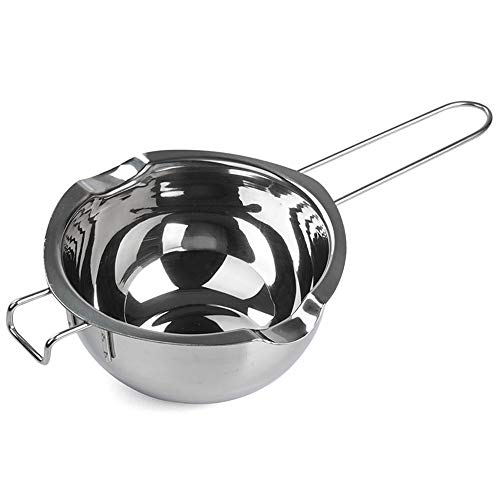
- Double boiler or heatproof bowl and saucepan
- Wire whisk
- Large skillet or wide saucepan
- Slotted spoon
- Toaster or large skillet for muffins
Instructions
- Prepare hollandaise base: Set up a double boiler with 1 inch of simmering water in the bottom pan. In the top bowl, whisk together egg yolks, lemon juice, salt, and cayenne until smooth. Meanwhile, melt butter in a small saucepan until just melted and warm to touch, not hot.
- Make hollandaise sauce: Place the bowl over the simmering water and whisk constantly for 2 to 3 minutes until mixture thickens slightly and coats the back of a spoon. Remove from heat and very slowly drizzle in the warm melted butter while whisking continuously. The sauce should be smooth and creamy. Keep warm off heat.
- Start poaching eggs: Fill a large skillet with 3 inches of water and bring to a gentle simmer. Add vinegar to the water. Crack each egg into a small bowl first, then gently slip into the simmering water one at a time, creating a small whirlpool with a spoon before adding each egg.
- Finish poaching eggs: Cook eggs for 3 to 4 minutes for runny yolks or 5 to 6 minutes for firmer yolks. The whites should be completely set and opaque, and the yolk should jiggle slightly when gently shaken with a spoon. Remove with a slotted spoon and briefly drain on paper towels.
- Toast muffins and warm bacon: While eggs cook, toast English muffin halves until golden brown and warm Canadian bacon in a dry skillet for 1 minute per side until heated through and lightly browned at edges.
- Assemble and serve: Place 2 muffin halves on each plate and top each with a slice of Canadian bacon, then a poached egg. Spoon warm hollandaise generously over each egg, allowing it to drip down the sides. Garnish with chopped chives and a light dusting of paprika. Serve immediately.
Nutrition Facts
Per Serving (1 serving)