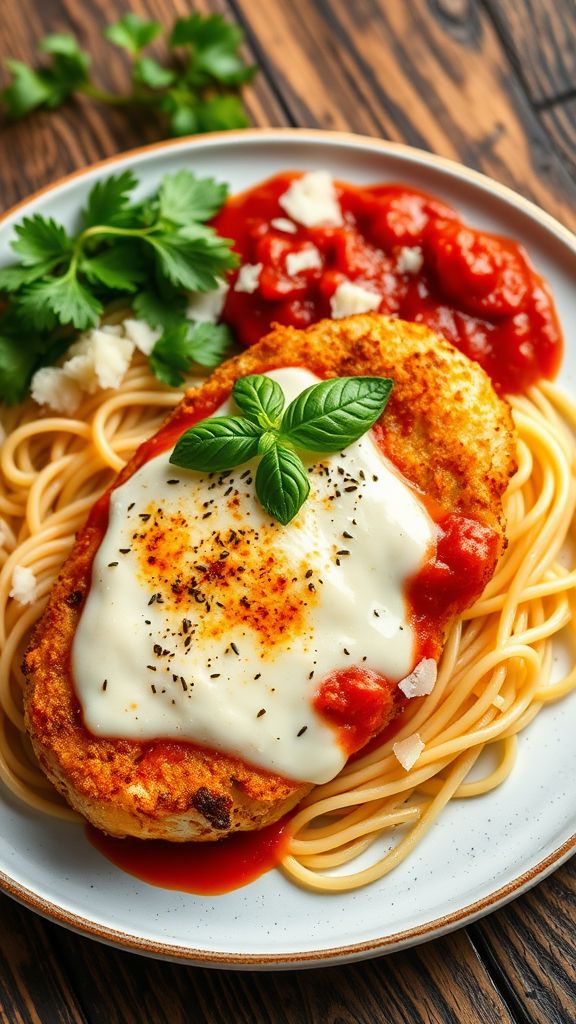
Chicken Alfredo for Two
Real alfredo sauce doesn’t come from a jar. You’ll make it from scratch using just butter, cream, and parmesan.
The chicken gets seasoned and seared until golden, then everything comes together in one silky, restaurant-worthy dish.
Why Fresh Parmesan Changes Everything
Pre-grated parmesan won’t melt smoothly into your sauce. It contains anti-caking agents that make the alfredo grainy and broken. Fresh parmesan from the block melts like butter, creating that glossy, coating consistency you want. Grate it fine using the small holes on your box grater.

Most Loved Products


Pound Chicken to Even Thickness
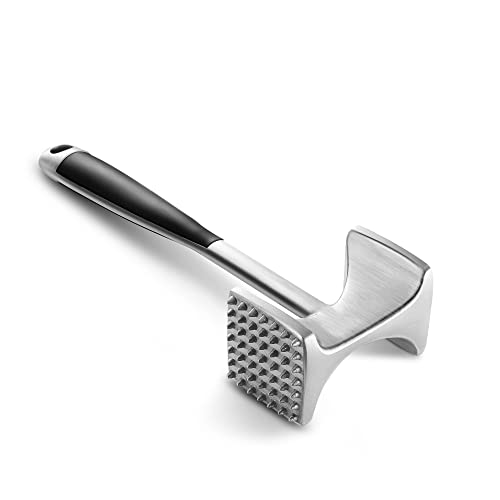
Thick chicken breasts cook unevenly – burnt outside, raw inside. Place each breast between plastic wrap and pound to ¾-inch thickness using a meat mallet or rolling pin. This ensures they cook through in exactly 6-7 minutes per side. Season immediately after pounding so salt penetrates the meat.
Temperature Control Prevents Broken Sauce
High heat will curdle your cream and seize the cheese. Once you add cream to the butter, keep heat at medium-low. The sauce should barely bubble around the edges. Add parmesan off the heat, whisking constantly. Return to low heat only if you need to warm it through.
Pasta Water Creates Silky Texture
Save ½ cup of starchy pasta water before draining. This liquid gold helps bind the sauce to the noodles and loosens thick alfredo without breaking it. Add it gradually – you might not need it all. The starch creates that glossy, restaurant-quality finish.
Avoiding Grainy Alfredo Disasters
- Let chicken rest 5 minutes after cooking before slicing to keep juices from running out onto your pasta.
- Make alfredo sauce in the same pan you cooked chicken – those browned bits add incredible flavor to the butter.
- Serve immediately in warmed bowls – alfredo sauce thickens quickly as it cools and becomes gluey.
Frequently Asked Questions
Can I substitute half-and-half for heavy cream?
Half-and-half has less fat and will curdle more easily. Stick with heavy cream for the smoothest, most stable sauce that won’t break.
Should the pasta be hot when adding to sauce?
Yes, hot pasta helps the sauce coat evenly and prevents the alfredo from cooling down and thickening too much before serving.
Will leftover alfredo reheat well?
Alfredo separates when reheated. Add a splash of milk or cream and heat gently while stirring to bring it back together.
Top Picks Today


Chicken Alfredo for Two
Equipment Needed
- Large pot for pasta
- Large skillet or sauté pan
- Meat mallet or rolling pin
- Box grater
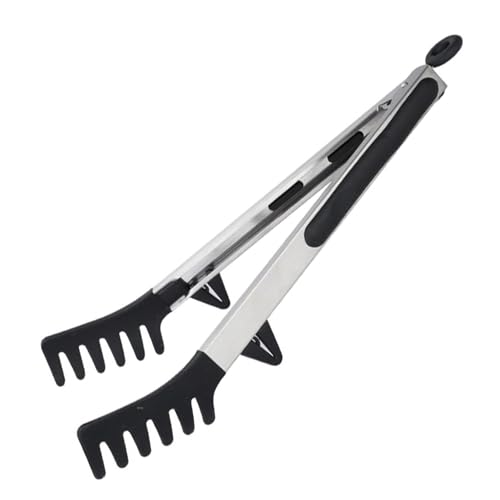
- Tongs
- Whisk
Instructions
- Prepare chicken and pasta water: Bring a large pot of salted water to boil for pasta. Place chicken breasts between plastic wrap and pound to ¾-inch even thickness. Season both sides with ½ teaspoon salt and black pepper.
- Sear the chicken: Heat olive oil in a large skillet over medium-high heat. Add chicken and cook 6-7 minutes per side until golden brown and internal temperature reaches 165°F. Transfer to a plate and tent with foil.
- Cook the pasta: Cook fettuccine according to package directions until al dente. Reserve ½ cup pasta water before draining. Drain pasta and set aside.
- Start alfredo sauce: In the same skillet, reduce heat to medium-low. Add butter and minced garlic, cooking for 1 minute until fragrant. Pour in heavy cream and simmer gently for 2-3 minutes until slightly thickened.
- Finish the sauce: Remove skillet from heat. Gradually whisk in grated Parmesan cheese until smooth and creamy. If sauce is too thick, add pasta water 1 tablespoon at a time until desired consistency.
- Combine and serve: Slice chicken into ½-inch strips. Add drained pasta to the sauce and toss to coat. Top with sliced chicken, remaining ½ teaspoon salt, and fresh parsley. Serve immediately.
Nutrition Facts
Per Serving (1 serving)