Strawberry Cream Cheese Danish
Flaky, buttery pastry wrapped around a tangy cream cheese filling and fresh strawberries — a Danish is one of those bakery staples you’ll be glad you learned to make at home. The laminated dough takes patience, but the layers you get are worth every fold.
Store-bought versions can’t compete with the texture you’ll get from scratch. Once you’ve had one warm from your own oven, you won’t go back.
How to Laminate Dough Without a Pastry Degree
Lamination is just the process of folding cold butter into dough repeatedly to create distinct layers. The key is keeping everything cold — if the butter softens and blends into the dough, you lose the layers entirely. Work quickly, and if the dough starts to feel warm or the butter begins to smear rather than stay in distinct sheets, wrap it up and refrigerate it for 20 minutes before continuing.
You don’t need a marble slab or professional equipment. A cold rolling pin, a lightly floured surface, and a patient hand are enough.

Most Loved Products


Choosing and Preparing Your Strawberries
Fresh strawberries work best here — frozen ones release too much water during baking and can make the filling watery and the pastry soggy underneath. Look for berries that are fully red with no white shoulders, which tend to be sweeter and more flavorful.
Macerating the sliced strawberries with a little sugar for 30 minutes before assembly draws out excess juice, which you can then drain off. That one step keeps your danish from turning into a wet mess in the oven.
Strawberry Cream Cheese Danish
Dough
Butter Block
Cream Cheese Filling
Strawberry Topping
Egg Wash
Glaze
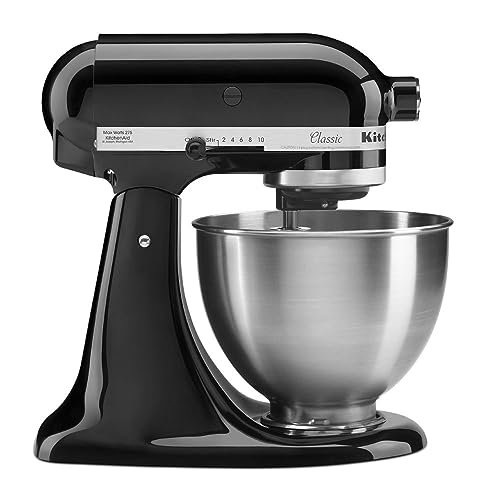
- 🔪Stand mixer with dough hook attachment
- 🥣Rolling pin
- ⚡Large rimmed baking sheet (18×13 inch)
- 🍳Parchment paper
- 🥄Plastic wrap
- 📏Pastry brush
- 🔧Sharp knife or bench scraper
- 🍰Medium mixing bowls
- 🫙Fine mesh strainer or colander
- 🌡️Instant-read thermometer
Proof the Yeast
Combine the warm milk (110°F), yeast, and 1 teaspoon of the granulated sugar in the bowl of a stand mixer. Stir briefly and let it sit for 5–8 minutes until the surface looks foamy and slightly puffed.
If nothing happens after 8 minutes, your yeast is likely dead — start over with fresh yeast.
Make the Dough
Add the remaining sugar, flour, salt, egg, and vanilla extract to the yeast mixture. Mix on low speed with the dough hook for 2 minutes, then increase to medium and knead for 4–5 minutes until the dough is smooth and pulls away from the sides of the bowl.
It will be slightly tacky but shouldn’t stick aggressively to your hands. Shape it into a ball, wrap tightly in plastic wrap, and refrigerate for 1 hour.
Shape Butter Block
While the dough chills, arrange the cold butter slices in a single layer on a sheet of plastic wrap, forming roughly a 6×6-inch square. Fold the plastic wrap over the butter and use your rolling pin to pound and then roll the butter into an even, flat 6×6-inch square.
Keep the edges as neat as you can. Refrigerate the butter block until the dough is ready — both should be cold but pliable, not rock-hard.
Laminate the Dough
On a lightly floured surface, roll the chilled dough into a 12×8-inch rectangle. Place the butter block in the center of the dough.
Fold the left third of the dough over the butter, then fold the right third over that, like a letter. Pinch the edges firmly to seal the butter inside.
Rotate the dough 90 degrees, then roll it out again into a 12×8-inch rectangle. Fold it in thirds again (this is your first fold).
Wrap in plastic and refrigerate for 30 minutes. Repeat this roll-and-fold process two more times, chilling 30 minutes between each fold, for a total of three folds.
Macerate the Strawberries
Combine the sliced strawberries, 2 tablespoons sugar, and lemon juice in a bowl. Toss well and let them sit for 30 minutes at room temperature.
Pour the berries into a fine mesh strainer set over a bowl and let them drain for at least 10 minutes. Discard the liquid or save it for another use.
Pat the berries lightly with a paper towel if they still look very wet.
Mix Cream Cheese Filling
Beat the softened cream cheese and sugar together with a hand mixer or whisk until smooth and lump-free, about 2 minutes. Add the egg yolk, vanilla, and flour, then mix until fully combined and creamy.
The flour helps the filling hold its shape during baking rather than spreading. Set aside at room temperature while you shape the pastries.
Shape the Pastries
Line a large baking sheet with parchment paper. On a lightly floured surface, roll the laminated dough into a 16×12-inch rectangle, about 1/4 inch thick.
Cut the dough into 8 equal rectangles (each roughly 4×6 inches). Transfer them to the prepared baking sheet, spacing them about 2 inches apart.
Use your fingers or the back of a spoon to press a shallow well in the center of each rectangle, leaving a 3/4-inch border around the edges.
Fill and Egg Wash
Spoon about 1 1/2 tablespoons of cream cheese filling into the center well of each pastry, spreading it gently within the border. Arrange a small handful of the drained strawberry slices on top of the cream cheese, overlapping them slightly.
Don’t overfill — too much filling will spill over the edges during baking. Whisk together the egg and milk for the egg wash, then brush it lightly over the exposed pastry borders.
Rest Before Baking
Cover the baking sheet loosely with plastic wrap and let the pastries rest at room temperature for 30 minutes. They should puff slightly and look a little pillowy.
Meanwhile, preheat your oven to 400°F (200°C) with a rack in the center position.
Bake Until Golden
Bake the danish at 400°F for 20–24 minutes, rotating the pan halfway through. They’re done when the borders are deep golden brown, the bottoms sound hollow when tapped, and the cream cheese filling looks set and lightly golden at the edges — not jiggly or wet in the center.
The layers along the sides should be visibly separated and flaky. Let them cool on the pan for 10 minutes before glazing.
Glaze and Serve
Whisk together the powdered sugar, milk, and vanilla until smooth and pourable — it should drizzle off a spoon in a thin ribbon. If it’s too thick, add milk a few drops at a time.
Drizzle the glaze over the slightly cooled danish in a zigzag pattern. Serve warm or at room temperature within a few hours of baking for the best texture.
Per serving (1 danish) — values are estimates