Easter Lamb Roast with Rosemary
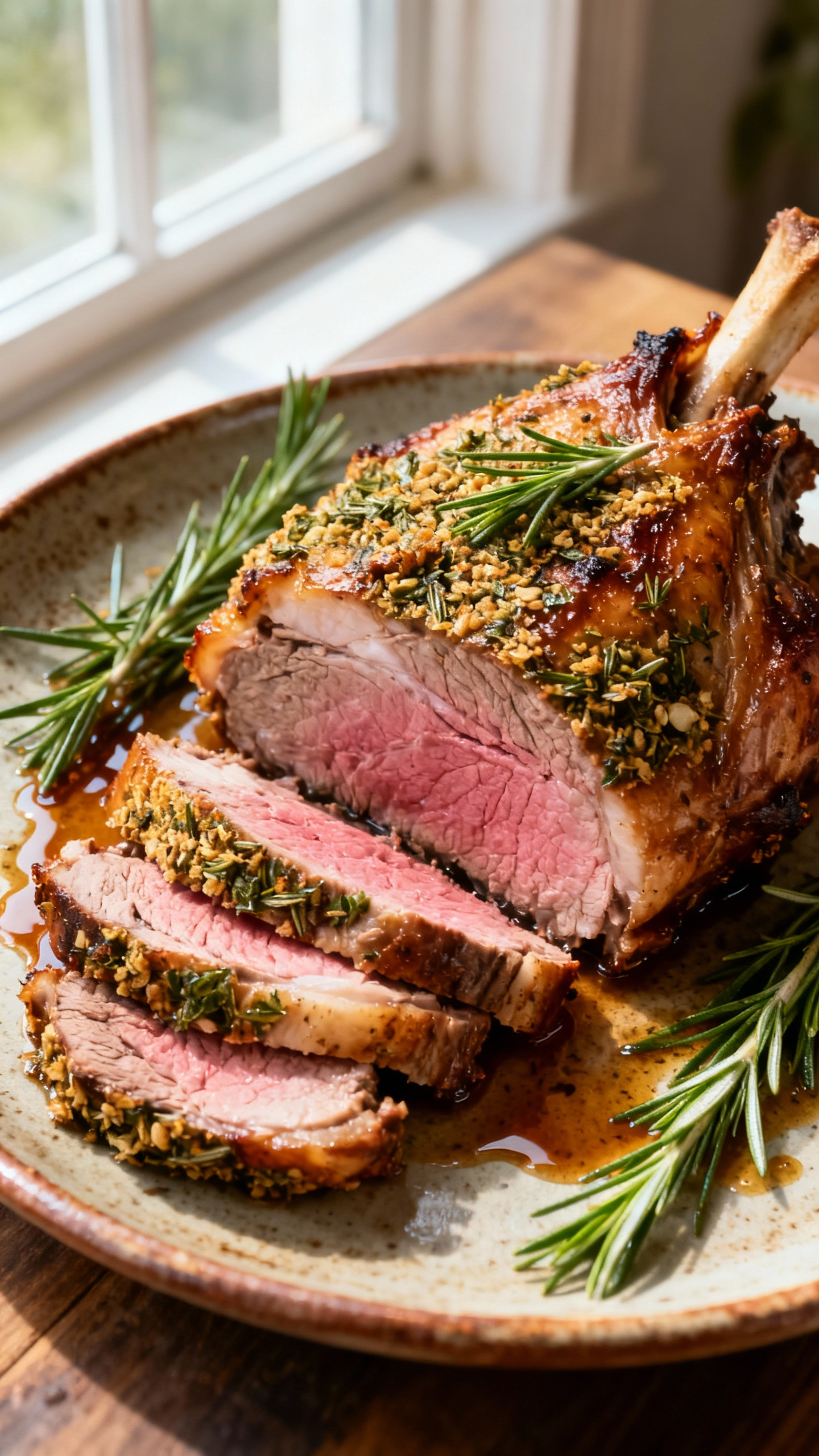
Lamb shoulder gives you more flavor than leg roasts, and it’s way more forgiving if you’re nervous about timing. The rosemary gets woody and crispy while the meat stays tender.
You’ll want to start this early afternoon for dinner. Most of the time is hands-off roasting.
Shoulder Beats Leg Every Time
Lamb shoulder has more marbling than leg, which means it won’t dry out if you accidentally overcook it. The connective tissue breaks down during the long roast, creating incredibly tender meat. Leg roasts look fancier but they’re much less forgiving for home cooks.
Most Loved Products


Salt the Meat Overnight
Salting lamb 12-24 hours ahead transforms the texture completely. The salt draws out moisture initially, then the meat reabsorbs it along with the salt. This seasons the meat throughout instead of just on the surface. Don’t skip this step.
High Heat Creates the Crust
Start at 450°F for the first 20 minutes to develop a proper crust. The high heat caramelizes the surface proteins and locks in flavor. Then drop to 325°F for the slow roast. This two-temperature method gives you both texture and tenderness.
Why Fresh Rosemary Works Better
Fresh rosemary releases oils slowly during the long cooking time, infusing the meat gradually. Dried rosemary can turn bitter with extended heat. Push whole sprigs directly into slits in the meat so the oils penetrate deep into the roast.
Getting the Temperature Right
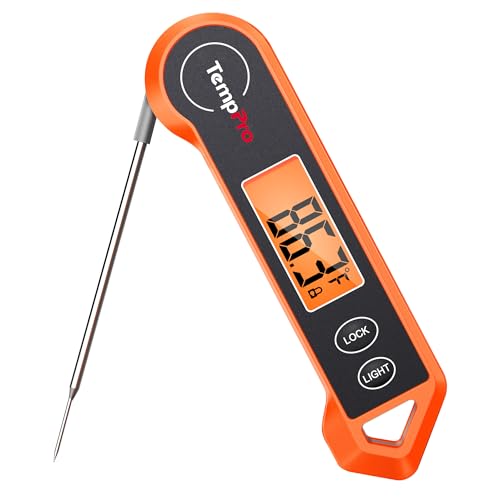
- Insert the thermometer into the thickest part of the meat, avoiding bone contact which gives false readings.
- If your roast is browning too quickly, tent it with foil after the first hour at 325°F.
- Save the pan juices and vegetables to make gravy – they’ll be incredibly flavorful after the long roast.
Frequently Asked Questions
Will boneless shoulder work the same way?
Yes, but reduce cooking time by about 30 minutes. Boneless roasts cook faster and you’ll need to tie it for even cooking.
What if I don’t have white wine?
Use chicken or beef broth instead. The liquid prevents the vegetables from burning and creates steam for moisture.
How do I know when it’s properly rested?
The surface should feel warm but not hot to touch. Juices will have redistributed and won’t run out when carved.
Trending Now


Easter Lamb Roast with Rosemary
Equipment Needed
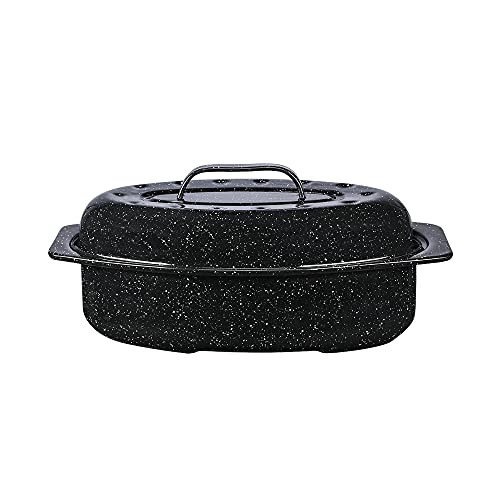
- Large roasting pan
- Sharp paring knife
- Meat thermometer
- Aluminum foil
Instructions
- Salt the lamb: Pat lamb completely dry with paper towels. Rub kosher salt all over the surface, pressing it into the meat. Wrap tightly in plastic wrap and refrigerate 12-24 hours.
- Bring to room temperature: Remove lamb from refrigerator 1 hour before cooking to bring to room temperature. Preheat oven to 450°F.
- Stuff with aromatics: Make 16-20 deep slits all over the lamb using a paring knife. Push garlic slices and rosemary sprigs deep into each slit. Rub olive oil and black pepper over entire surface.
- Arrange in roasting pan: Place onions and carrots in bottom of roasting pan. Set lamb fat-side up on top of vegetables. Pour wine around the lamb, not over it.
- Roast with two temperatures: Roast at 450°F for 20 minutes. Reduce temperature to 325°F and continue cooking 1 hour 45 minutes to 2 hours 15 minutes, until internal temperature reaches 135°F for medium-rare.
- Rest before carving: Remove from oven and tent loosely with foil. Let rest 20 minutes before carving. Internal temperature will rise to 140-145°F during resting.
Nutrition Facts
Per Serving (1 serving)