Freeze-Ahead Mother’s Day Sugar Cookies Baked Days Early
Sugar cookies that you bake days before Mother’s Day, freeze, then decorate the morning of — that’s the whole idea here. No last-minute scramble, no staying up late with a piping bag the night before.
The dough holds beautifully in the freezer, and the baked cookies freeze just as well. You’ll have a clean kitchen and a calm head when it actually matters.
It’s a classic buttery cut-out sugar cookie with a firm enough crumb to handle royal icing or buttercream without crumbling. Soft inside, clean edges, and sturdy enough to stack once decorated.
How the Freeze-Ahead Timeline Actually Works
You have two freezing options here. Freeze the raw dough as a disk, thaw it overnight in the fridge, then roll and bake the day before Mother’s Day. Or bake the cookies fully, let them cool completely, and freeze them in a single layer before stacking with parchment between each layer.
The baked-then-frozen route is more flexible. Cookies go from freezer to counter, thaw in about 45 minutes, and they’re ready to decorate. Don’t frost before freezing — icing doesn’t survive the freeze-thaw cycle well.

Trending on Amazon


Getting Clean Edges on Cut-Out Cookies
Dough temperature is what controls your edges. If the dough gets warm while you’re rolling and cutting, the shapes spread and blur in the oven. Roll it cold, cut it fast, and if the dough softens at any point, slide the whole sheet into the freezer for 10 minutes before baking.
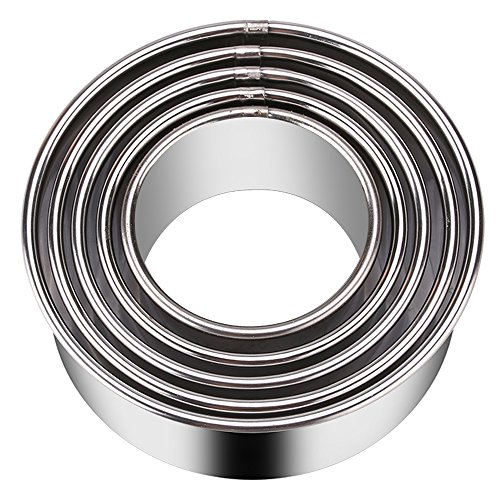
A thin, sharp metal cutter works better than plastic. Press straight down without twisting — twisting seals the edges unevenly and causes spreading. Flour your cutter lightly between cuts to keep it releasing cleanly.
Make-Ahead and Decorating Notes
- Use gel food coloring, not liquid — liquid thins the icing too much and muddies the colors.
- Meringue powder (not raw egg whites) makes the royal icing shelf-stable and safer to eat without baking.
- If your butter was too cold when you started creaming, the dough will be crumbly. Warm it slightly and knead gently until it comes together.
- Cookies baked a little underdone freeze and thaw with a better texture than fully baked ones — pull them right at the 10-minute mark if you plan to freeze.
- Label your freezer containers with the date — baked cookies are best within 4 weeks, raw dough within 6 weeks.
Freeze-Ahead Mother’s Day Sugar Cookies Baked Days Early
Dough
Royal Icing
- 🔪Stand mixer or hand mixer with paddle attachment
- 🥣Two large rimmed baking sheets (18×13 inch)
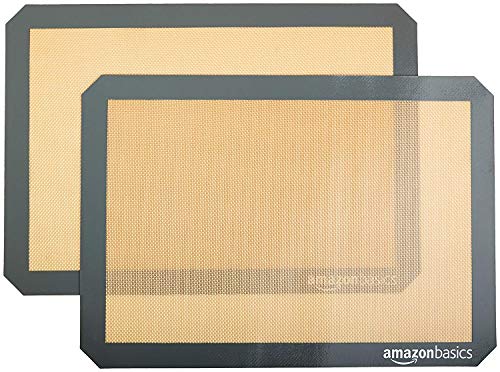
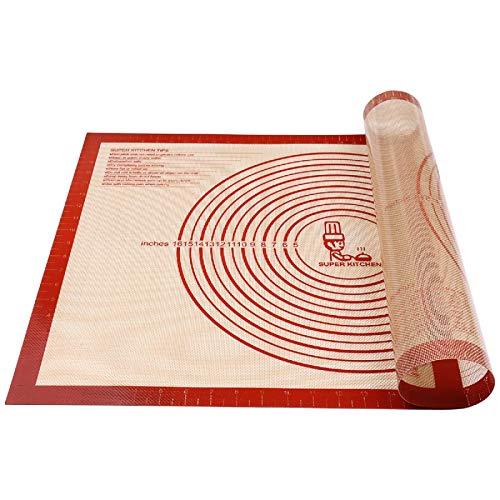
- ⚡Silicone baking mats or parchment paper
- 🍳Rolling pin
- 🥄Metal cookie cutters (flower, heart, butterfly, or letter shapes)
- 📏Wire cooling racks
- 🔧Plastic wrap
- 🍰Airtight freezer-safe containers or zip-lock freezer bags
- 🫙Piping bags with #2 or #3 round tips
- 🌡️Small offset spatula
Mix Dry Ingredients
Whisk together the flour, baking powder, and salt in a medium bowl. Set aside.
Cream Butter Sugar
Beat the softened butter and granulated sugar in the bowl of a stand mixer fitted with the paddle attachment on medium-high speed for 3 full minutes, until the mixture is pale, fluffy, and noticeably lighter in color. Scrape down the sides of the bowl halfway through.
Add Wet Ingredients
Add the egg, vanilla extract, almond extract (if using), and milk to the butter mixture. Beat on medium speed for 1 minute until fully combined.
The mixture may look slightly curdled — that’s normal.
Bring Dough Together
With the mixer on low, add the flour mixture in three additions, mixing just until no dry streaks remain after the final addition. Don’t overmix — stop as soon as the dough comes together.
It should be soft but not sticky.
Chill Dough Disks
Divide the dough into two equal portions. Flatten each into a 1-inch thick disk and wrap tightly in plastic wrap.
Refrigerate for at least 2 hours or overnight. At this stage, you can also freeze the wrapped disks for up to 6 weeks — thaw overnight in the refrigerator before rolling.
Preheat and Prep
When ready to bake, preheat the oven to 350°F (175°C). Line two baking sheets with silicone mats or parchment paper.
Remove one dough disk from the refrigerator and let it sit at room temperature for 5 minutes — just enough to make it pliable but still cold.
Roll and Cut
Lightly flour a clean work surface and your rolling pin. Roll the dough to an even 1/4-inch thickness.
Use a ruler to check if you’re unsure — inconsistent thickness leads to uneven baking. Cut shapes with your metal cutters, pressing straight down without twisting.
Transfer cut shapes to the prepared baking sheets, spacing them 1 inch apart. Gather scraps, re-roll once, and cut again.
If the dough softens at any point, slide the baking sheet into the freezer for 10 minutes before baking.
Bake to Doneness
Bake one sheet at a time on the center rack for 10 to 12 minutes. The cookies are done when the edges are just barely golden and the centers look set but still appear slightly underdone — they’ll firm up as they cool.
Avoid browning the bottoms. A toothpick inserted in the center should come out clean, the edges should feel firm to a light touch, and the tops should no longer look glossy.
Cool Completely
Let the cookies cool on the baking sheet for 5 minutes before transferring to a wire rack. Cool completely — at least 30 minutes — before decorating or freezing.
Any warmth will melt icing and cause condensation in the freezer.
Freeze the Cookies
To freeze baked cookies: arrange them in a single layer on a parchment-lined baking sheet and freeze uncovered for 1 hour until solid. Then stack them in an airtight container with parchment paper between each layer.
Freeze for up to 4 weeks. To thaw, remove from the container and spread in a single layer at room temperature for 45 to 60 minutes before decorating.
Make Royal Icing
Make the royal icing on decorating day. Beat the meringue powder, sifted powdered sugar, warm water, and vanilla extract together with a hand mixer on medium-high speed for 5 to 7 minutes until the icing is bright white, glossy, and holds stiff peaks.
Divide into separate bowls and tint with gel food coloring. For outlining, use stiff icing straight from the bowl.
For flooding (filling in shapes), thin with water one teaspoon at a time until a drizzled line disappears back into itself within 10 seconds.
Decorate and Dry
Decorate the thawed cookies using piping bags fitted with #2 or #3 round tips. Outline each cookie first with stiff icing, let it set for 5 minutes, then flood the interior with thinned icing.
Add sprinkles or sanding sugar while the icing is still wet. Allow decorated cookies to dry at room temperature, uncovered, for at least 4 hours or overnight before stacking or packaging.
Per serving (1 decorated cookie) — values are estimates