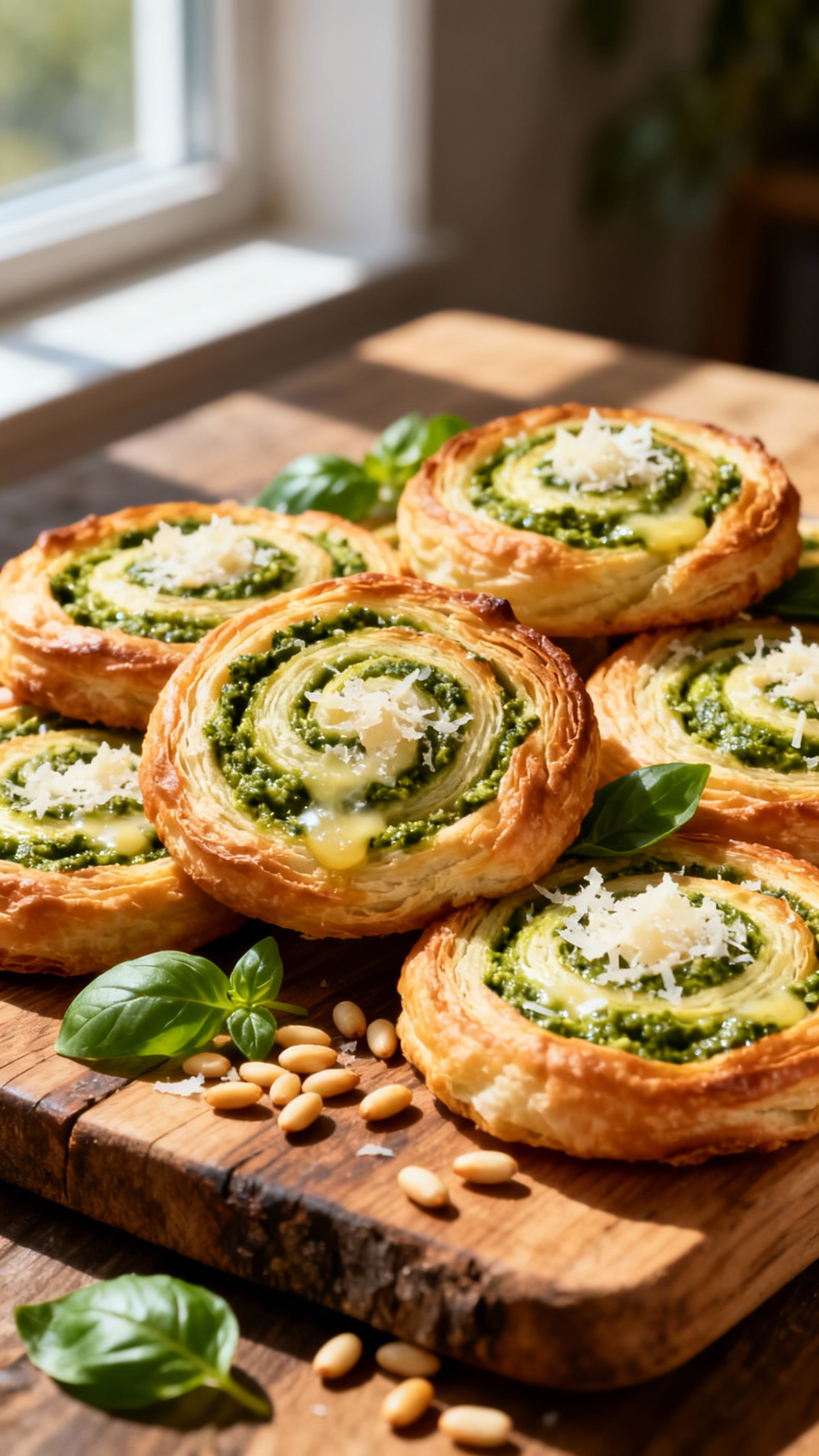
Pesto Pinwheels
I’ve been perfecting these spiral beauties for years, and they’re absolutely my go-to when hosting. The way fragrant basil pesto swirls through buttery puff pastry creates these stunning green ribbons that never fail to impress guests. Plus, rolling them couldn’t be easier once you know the tricks.
Why Cold Pesto Changes the Rolling Game
Chilled pesto spreads like a dream without tearing the delicate pastry underneath. Room temperature pesto creates a gooey mess that pulls and stretches, ruining those perfect spirals. After making this mistake countless times, now refrigerate my homemade pesto for at least two hours before assembly. The consistency becomes thick enough to control, yet spreadable enough for even coverage across every inch of pastry.
Trending Now

The Pine Nut Crunch That Makes Them Sing
Toasting pine nuts separately and folding them into the pesto right before spreading adds incredible texture contrast. Raw nuts get soggy during baking, while pre-toasted ones maintain their crunch and develop deeper, nuttier flavors. Toast them in a dry skillet for just three minutes until golden, watching carefully since they burn fast. That extra step transforms ordinary pinwheels into something restaurant-worthy.
My Parmesan Hack for Maximum Flavor Impact
Freshly grated Parmigiano-Reggiano mixed directly into the pesto, plus extra sprinkled on top before baking, creates layers of cheesy goodness. Pre-grated cheese lacks the sharp, complex flavor that makes these pinwheels memorable. Grating a wedge takes minutes but delivers exponentially better results. The cheese melts beautifully into the pastry while the top layer creates golden, crispy edges that add visual appeal.
Spiral Secrets That Actually Work
- Keep your knife clean between cuts – wiping the blade prevents pesto from dragging and maintains those clean spiral lines everyone admires.
- Slightly underbake if serving later since they’ll continue cooking from residual heat, preventing that dreaded soggy bottom pastry.
Frequently Asked Questions
Why do my pinwheels unroll during baking?
The pastry wasn’t chilled long enough after rolling, or you didn’t seal the seam properly with egg wash. Refrigerating firms up the butter in the pastry, helping it hold its shape. Always brush that final edge with beaten egg before rolling closed.
Can I use store-bought pesto instead of homemade?
Absolutely, but choose a high-quality brand and chill it first for easier spreading. Store-bought pesto tends to be thinner, so you might need slightly less to prevent soggy pastry. Look for brands with visible pine nuts and bright green color.
What’s the best way to get clean, even slices?
Use a very sharp knife and wipe it clean between each cut to prevent dragging. A gentle sawing motion works better than pressing straight down, which can compress and distort the delicate spirals.
How do I prevent the bottom pastry from getting soggy?
Make sure your pesto isn’t too wet and avoid overfilling. Baking on a preheated sheet pan also helps create immediate bottom heat for crispness. Don’t overbake the top while the bottom stays soft.
Why did my pesto turn brown after baking?
Basil naturally oxidizes when exposed to heat and air. Using fresh, high-quality pesto and not overbaking helps maintain color. A light brush of olive oil on top also protects the pesto from direct heat exposure.
Kitchen Essentials


Pesto Pinwheels
Ingredients
Base
Filling
Finishing
Equipment Needed
- Large rimmed baking sheet
- Parchment paper
- Sharp chef’s knife
- Small mixing bowl
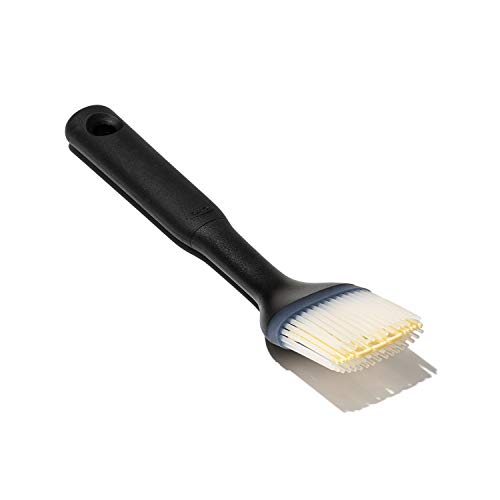
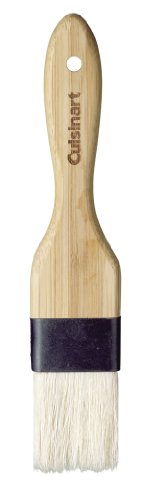
- Pastry brush
- Rolling pin
Instructions
- Setup: Preheat oven to 400°F and line baking sheet with parchment paper.
- Roll pastry: Roll puff pastry on lightly floured surface into 12×10 inch rectangle, keeping edges straight.
- Add pesto: Spread chilled pesto evenly across pastry, leaving 1/2 inch border on one long edge.
- Add toppings: Sprinkle toasted pine nuts and 1/4 cup grated Parmesan over pesto, pressing gently to adhere.
- Roll log: Starting from pesto-covered edge, tightly roll pastry into log, sealing seam with beaten egg.
- Chill: Refrigerate rolled log for 15 minutes to firm up for cleaner slicing.
- Slice: Using sharp knife, slice log into 3/4 inch thick rounds, arranging cut-side up on prepared baking sheet.
- Finish: Brush tops with olive oil, sprinkle remaining Parmesan and sea salt over each pinwheel.
- Bake: Bake for 12-15 minutes until golden brown and puffed, rotating pan halfway through.
Nutrition Facts
Per Serving (4 pinwheels)