Mini Pavlovas with Berries That Look Like They’re From a Patisserie
A pavlova is a meringue shell with a crisp exterior and a soft, marshmallow-like center, topped with whipped cream and fresh fruit. It’s one of those desserts that looks wildly impressive but is mostly just patience and egg whites.
Making them in individual portions means each one holds its shape cleanly on the plate — no messy slicing, no collapsed centers. You get that dramatic patisserie look without a pastry degree.
The berry topping is where you can really have fun. Layer colors, alternate shapes, and a dusting of powdered sugar right before serving does most of the visual work for you.
Why Your Meringue Might Weep or Crack (And How to Stop It)
Humidity is meringue’s worst enemy. On a damp or rainy day, the sugar in the meringue absorbs moisture from the air and turns sticky or weepy. Try to bake these on a dry day if you can, and always cool them inside the oven with the door cracked rather than on the counter.
Fat kills meringue volume. Even a trace of egg yolk or grease on your bowl will prevent the whites from whipping up properly. Wipe your bowl and whisk with a little white vinegar on a paper towel before you start — it strips any residual fat and makes a real difference.

Recommended for You

Building the Patisserie Look with Berries
The difference between a home pavlova and a patisserie one is usually just intentionality. Pick berries that are similar in size, dry them thoroughly, and place them with purpose rather than scattering them. Start with a base layer of halved strawberries cut-side down, then stack smaller berries — blueberries, raspberries, blackberries — working upward.
A few mint leaves tucked at the edges and a light dusting of powdered sugar through a fine sieve finishes the look. Do this within 30 minutes of serving so the sugar doesn’t dissolve into the cream.
Make-Ahead and Storage Notes
- Meringue shells can be baked up to 2 days ahead and stored in an airtight container at room temperature — not the fridge. Humidity will make them sticky.
- Assemble no more than 30–45 minutes before serving. Once the cream goes on, the meringue starts to soften from the moisture.
- If your meringues crack slightly on top, don’t worry — the cream and berries will cover it completely.
- Room temperature egg whites whip to a higher volume than cold ones. Take them out of the fridge at least 15–20 minutes before you start.
Mini Pavlovas with Berries That Look Like They’re From a Patisserie
Meringue
Cream
Topping
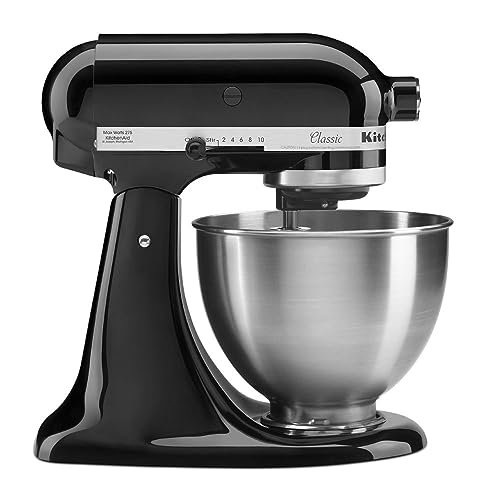
- 🔪Stand mixer or hand mixer with whisk attachment
- 🥣Large mixing bowl (metal or glass, not plastic)
- ⚡2 large baking sheets
- 🍳Parchment paper
- 🥄Pencil and compass or round cookie cutter (3-inch / 7.5cm) for tracing circles
- 📏Rubber spatula
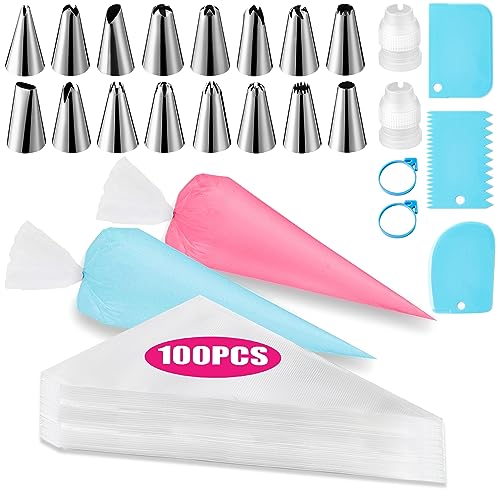
- 🔧Large piping bag with a large star or round tip (optional but recommended)
- 🍰Fine mesh sieve for dusting powdered sugar
- 🫙Instant-read thermometer (optional)
Prep the Pans
Preheat your oven to 250°F (120°C). Line two baking sheets with parchment paper.
Using a 3-inch (7.5cm) round cookie cutter or a glass, trace 4 circles on each sheet with a pencil, spacing them at least 2 inches apart. Flip the parchment over so the pencil marks face down — you’ll still see them through the paper, and your meringue won’t touch the graphite.
Prep the Bowl
Wipe the inside of your mixing bowl and whisk attachment thoroughly with a paper towel dampened with a little white wine vinegar. Separate your eggs carefully, making sure not a single drop of yolk gets into the whites.
Even a small amount of fat will prevent the whites from whipping properly. Let the whites sit at room temperature for 15 minutes if you haven’t already — they whip up to a greater volume when they’re not cold.
Whip to Soft Peaks
Beat the egg whites on medium speed until they reach soft peaks, about 3–4 minutes. The mixture should look white and foamy, and when you lift the whisk, the peak should curl over gently.
Don’t rush to add the sugar yet — soft peaks first is the rule.
Build Stiff Peaks
With the mixer running on medium-high, add the caster sugar one tablespoon at a time, waiting about 15 seconds between each addition. Once all the sugar is in, increase to high speed and beat for 5–7 minutes until the meringue is thick, very glossy, and holds stiff peaks that stand straight up without drooping.
Rub a small amount between your fingers — if it feels gritty, keep beating until the sugar has fully dissolved.
Fold in Stabilizers
Remove the bowl from the mixer. Sprinkle the cornstarch, vinegar, and vanilla over the meringue.
Using a rubber spatula, fold them in with about 8–10 gentle strokes — don’t overmix. The cornstarch and vinegar are what create that soft, marshmallow center rather than a dry, brittle meringue all the way through.
Pipe the Nests
Transfer the meringue to a large piping bag fitted with a large round or star tip. Pipe onto the traced circles, starting from the center and spiraling outward, then building up the edges slightly higher than the center to create a natural nest shape for the cream and fruit.
If you don’t have a piping bag, spoon the meringue onto the circles and use the back of a spoon to shape the edges upward. You should get 8 neat rounds.
Bake and Rest
Bake at 250°F (120°C) for 1 hour and 30 minutes. Don’t open the oven door during baking.
When the time is up, turn the oven off, crack the door open about 2 inches using a wooden spoon, and leave the pavlovas inside to cool completely — at least 1 hour, or up to 3 hours. They should be pale cream to very light ivory in color, not white or golden.
The outside will feel dry and set when tapped lightly, and they’ll lift cleanly off the parchment.
Whip the Cream
When you’re ready to serve, pour the cold heavy cream into a chilled bowl. Beat on medium-high speed until it begins to thicken, then add the powdered sugar and vanilla.
Continue beating until the cream holds soft, billowy peaks — it should mound on a spoon but not look stiff or grainy. Stop before it gets too firm; slightly underbeat rather than overbeat.
Assemble and Garnish
Spoon or pipe a generous dollop of whipped cream into the center of each pavlova nest. Start layering the berries: place halved strawberries cut-side down as your base, then stack raspberries, blueberries, and blackberries working upward.
Aim for height and variation in color. Tuck 2–3 small mint leaves at the edges of each pavlova.
Just before serving, dust lightly with powdered sugar through a fine sieve held about 12 inches above the pavlovas for an even, light coating. Serve within 30 minutes of assembling.
Per serving (1 pavlova with cream and berries) — values are estimates